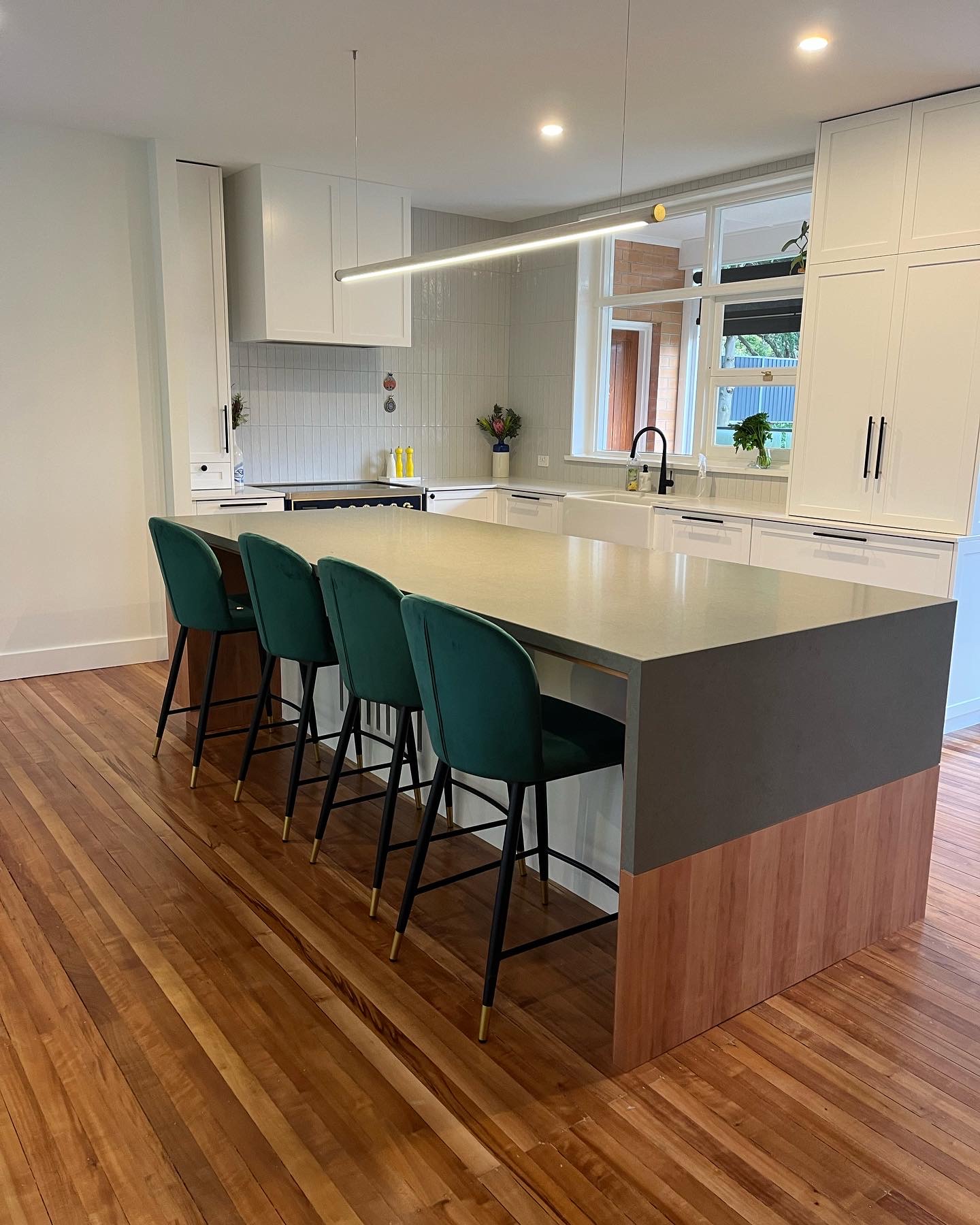
Designing a Room Layout that Promotes Positive Education
Designing a Room Layout That Promotes Positive Education for Children
Imagine your child walking into a room that sparks curiosity, creativity, and focus,a space designed to nurture their growth and make learning an exciting journey. A well-thought-out room layout can do just that. Whether it’s a study corner, a shared play area, or a classroom, the design of the physical space plays a significant role in shaping the educational experience.
If you’re a parent or educator who dreams of fostering a positive learning environment for your child, this guide is for you. By the end of this post, you’ll discover how to create an optimal learning environment using proven design principles that cater to young children’s needs, improve their academic performance, and encourage a sense of belonging.
1. The Power of Physical Space on Learning
How Room Design Influences Education
“Education is not the learning of facts, but the training of the mind to think.” – Albert Einstein.
The layout and design of a room have a profound impact on how children engage with learning. A cluttered, dimly lit space may stifle creativity and focus, while a well-organised room with natural light and intentional design features can inspire a love for learning.
Research shows that a positive physical learning environment significantly impacts children’s academic performance, working memory, and emotional well-being. According to a study by The Organisation for Economic Co-operation and Development (OECD), students learn better in classrooms designed with their needs in mind, including access to natural light, effective furniture arrangement, and flexibility for different activities.
Meeting the Needs of Students
Every child learns differently. While some thrive in quiet, focused corners for individual work, others need collaborative spaces that encourage discussion and teamwork. The physical environment should accommodate these diverse needs, creating a balance between personal study areas and communal spaces for open discussion and collaborative work.
2. Key Design Elements for an Optimal Learning Environment
A Room Layout for Different Activities
One of the best ways to create a positive impact on your child’s education is by dividing the room into zones for different activities.
Focus Areas for Individual Work
Design a quiet, distraction-free corner with a desk, comfortable chair, and ample storage. Add visual cues like task boards or calendars to help organise their learning experience.Collaboration and Open Discussion Zones
Dedicate a space with flexible seating arrangements, like bean bags or a round table, for collaborative projects and inner-circle discussions. This area fosters teamwork and a sense of community.Play and Creative Areas
For young children, incorporate an open space with natural elements like wooden blocks, drawing supplies, or puzzles. These activities enhance motor skills and encourage active learning through play.
Let Natural Light Be a Focal Point
Natural light is an essential element of any learning environment. It not only improves mood but also enhances focus and productivity. Position desks near windows to maximise daylight exposure, and use light, airy curtains to maintain brightness while reducing glare.
Tip: If natural light is limited, invest in full-spectrum lighting to mimic sunlight and support your child’s circadian rhythm.
Incorporating Flexible Seating Options
Traditional rows of desks may work for some, but flexible seating arrangements allow children to choose what works best for their comfort and focus. Options like standing desks, floor cushions, or ergonomic chairs encourage movement and engagement.
3. Creating a Sense of Belonging Through Design
Personalisation and Visual Cues
Involve your child in the design process by letting them choose colours, wall art, or storage solutions that reflect their interests. This personalisation helps create a sense of ownership and belonging.
Use visual cues like posters of their favourite inspirational quotes, educational charts, or their own artwork to make the space feel uniquely theirs.
Design Features That Encourage Community
In shared spaces, such as classrooms or playrooms, include design features that foster a sense of community. A shared bookshelf, a communal table, or a bulletin board where children can display achievements are great ways to build connections and collaboration among peers or siblings.
Natural Elements for Emotional Well-Being
Adding natural elements, such as potted plants or wooden furniture, creates a calming environment that supports learning. Studies have shown that integrating natural elements into educational spaces improves concentration, reduces stress, and promotes overall well-being.
Tip: Spider plants and succulents are low-maintenance options that also improve indoor air quality.
4. The Role of Technology and Universal Design in Education Spaces
Technology Integration for Modern Learning
In today’s world, technology is a significant part of the learning experience. Incorporate technology thoughtfully with designated areas for devices, such as a laptop station or charging dock. Use cable organisers to keep the space tidy and distraction-free.
Universal Design for Inclusive Learning
Designing a space that meets the needs of all children, including those with additional help or disabilities, is an important step toward creating a truly inclusive environment.
Include wide pathways, adjustable furniture, and sensory-friendly areas for children with specific needs. Universal design principles ensure every child feels welcomed and supported.
Conclusion: Transforming Spaces, Transforming Futures
Designing a room layout that promotes positive education for children is about more than aesthetics,it’s about creating a space where your child can dream, explore, and grow.
Your First Step to Positive Change
Start small. Rearrange the furniture, add a splash of natural light, or introduce flexible seating options. These seemingly small changes can have a significant impact on your child’s learning experience and overall well-being.
Ready to create the perfect learning environment for your child? Share your thoughts or questions in the comments below, and explore our resources for more tips on designing educational spaces. Together, let’s create a world where every child thrives!
If this resonated, you may also love:
- The Environment Reset: a six-week online program for founders and entrepreneurs.
- Creating Healing Spaces for Children: the definitive guide for parents and educators.
- The Environment Reset: a six-week online program for founders and entrepreneurs.